What happens when you turn something familiar just a few degrees and suddenly see it differently? Like light through a prism. Turn it another way, and rainbows splash over the walls.
I did that exact idea with my novel, Cozy Crime Lab. What if I looked at it through a different lens?
I have always thought of my book as a cozy mystery, with twists. Natural deaths instead of dramatic murders. A disabled main character. A quirky ensemble cast. It fit on the shelves I loved, and the stories that first taught me how much comfort genre can hold. It was a love letter to quirky mystery stories.
But then I found myself explaining the book to a friend, out loud, and something shifted. I wasn’t talking about the cases anymore. I talked about grief. About loss. About the strange, tender ways people show up for one another. How we hold uncertainty. And how we piece ourselves together again when we face a broken world.
And I wondered about whether presenting it as a genre fiction, namely cozy mystery, could hold all the depth that I brought to my comfy-chaos little world. Yes, it looked like a genre mystery, but it also wasn't about the crime lab, really. It was about the people working in the crime lab, especially the main character, Raven.
So what is the difference between genre and literary fiction?
According to the Merriam-Webster dictionary, a genre is a category of artistic composition characterized by similarities in form, style, or subject matter. In publishing, genre often signals the kind of experience a reader can expect, including familiar structures, pacing, and outcomes. It's a cozy blanket with different fabrics.
The Merriam-Webster dictionary defines literary fiction more loosely, describing it as writing that has form or expression of a high artistic quality. In practice, literary fiction tends to emphasize character, interior life, language, and thematic depth over plot mechanics or formulaic resolution. It could be a blanket or a bonfire or another type of coziness.
I had feelings about literary fiction from way, way back. When it felt complicated and* serious* and difficult. It was the stuff of my literature degree, the five paragraph essay, and symbolic relevance of random things. I could appreciate literary fiction, but I did not choose it for taking on vacation. I didn't like it all that much.
So I was surprised when I thought, maybe, what if? What if the episodic nature of crime in the book wasn’t actually following a traditional mystery arc at all? What if the cases were never meant to function as tidy puzzles, but as moments that revealed something about the people encountering them?
What if the story was less about procedural problem-solving and more about Raven’s emotional journey through work, loss, and care? What if themes of grief, belonging, and shared humanity weren’t getting in the way of the story, but were actually the foundation holding it together?
That’s when the idea of genre versus literary started to make sense to me, not as a hierarchy, but as a different perspective and as a kind of crossover space where a book can draw from more than one tradition. Genre fiction often promises a familiar kind of movement and resolution. Literary fiction leans into spending time with people, even when that means sitting with them in a break room with bad coffee and fluorescent lights. It stays with character and interior life. The story still matters, but it unfolds through accumulation rather than speed.
If you imagine sharing tea with a friend, sipping from teacups or coffee mugs, genre would ask, "Oh no, what happened next?" while literary would ask, "Oh no, how did she feel?"
Neither approach is better than the other. They’re simply different ways of holding a story, and sometimes a book lives in the crossover between them, asking to be held more than one way.
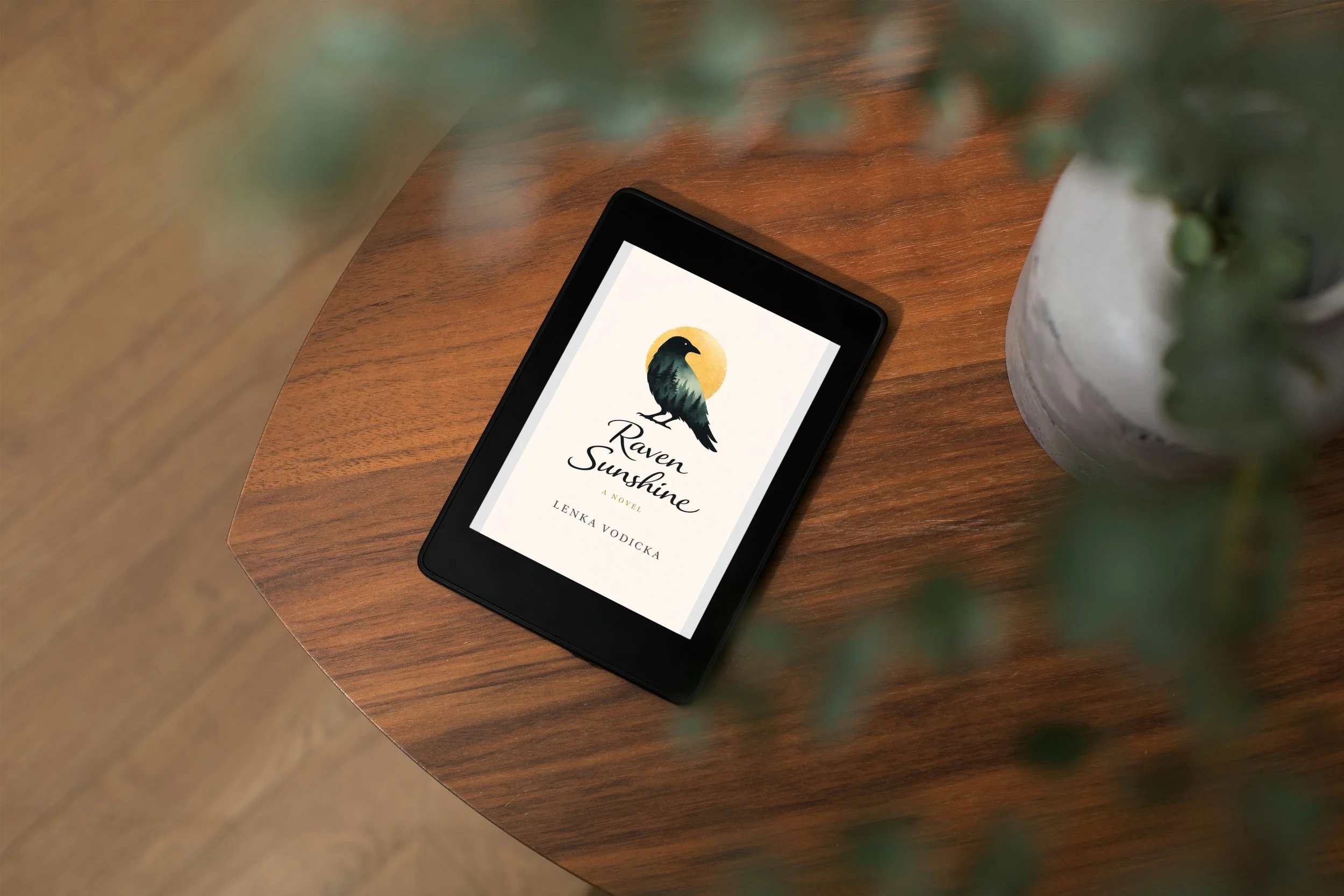
The first thing that I realized was that my working title, Cozy Crime Lab, promised clues and puzzles. I needed to change my working title. It will always be Cozy Crime Lab in my heart. But the heart of the story is Raven. Ms. Sunshine. Raven Sunshine.
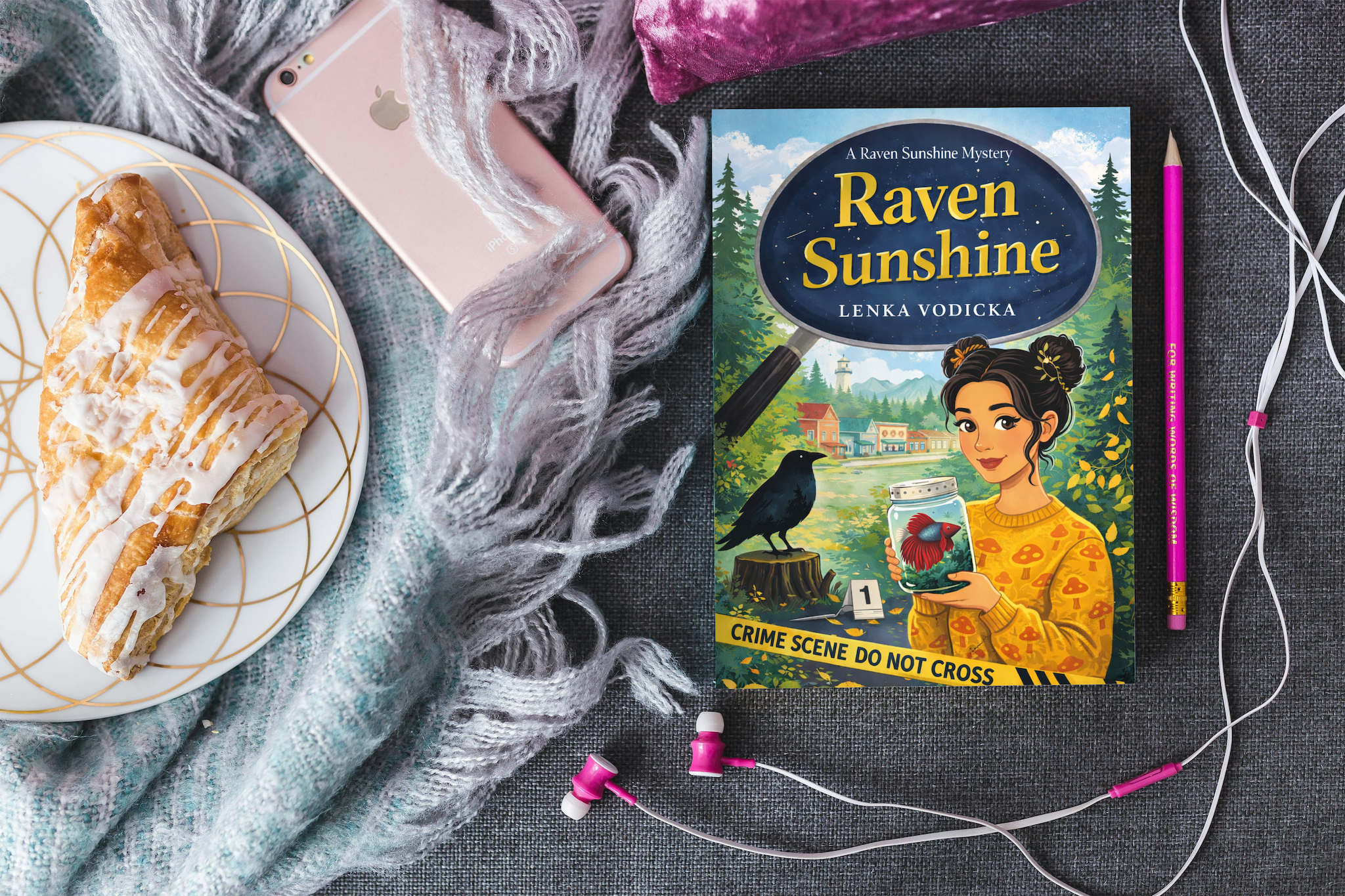
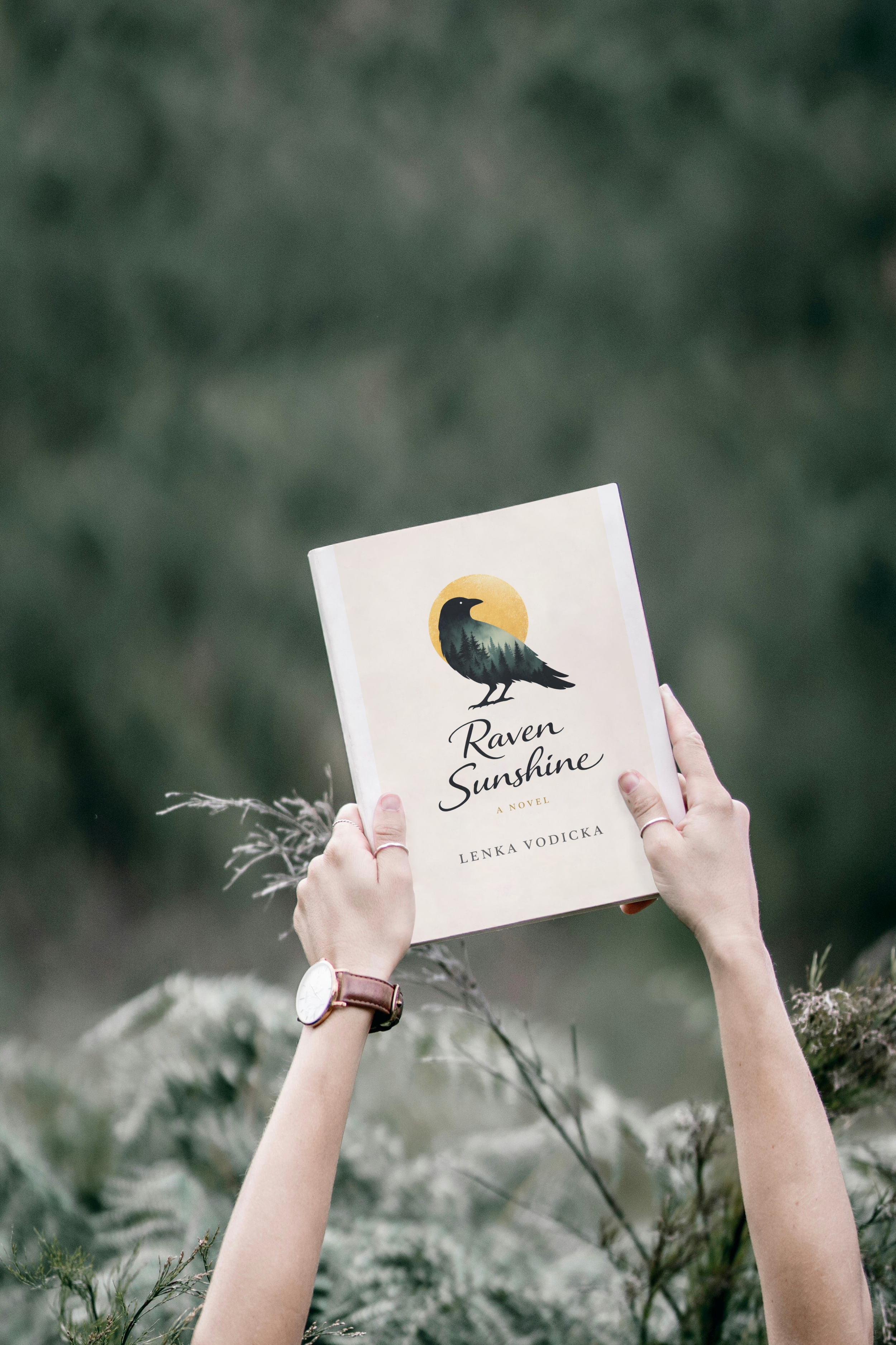
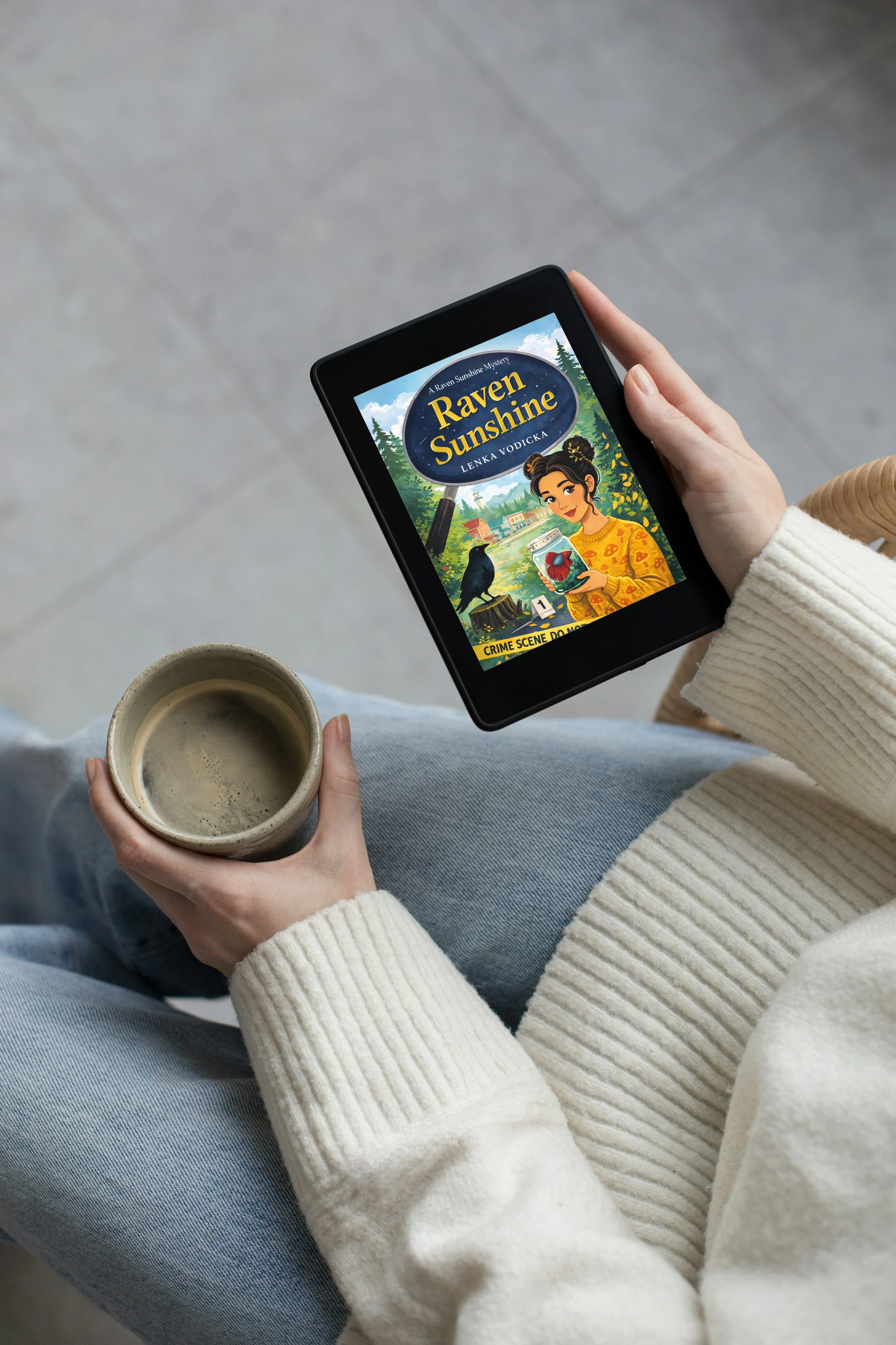
Being a visual person, I created mock covers. And the problem is that I love both of them! But I think I'm going to lean into the literary potential for Raven. At least for awhile. I want it to find the best place to land. And something about that feels appropriate. Which would shock me even last week. Me? A literary author? Ha!
Introducing Raven Sunshine, a book about life, death, and a wolfhound named Jellybean. This isn’t a declaration that the book can only live in one category forever. I like thought experiments. It’s an exploration. Books, like people, can surprise us.
About the covers shown here
The cover images shared here are AI-generated concept mockups, created solely to explore tone, genre framing, and visual language. They are not final covers and are not intended to replace human designers, artists, or illustrators. I deeply value human creative work. These images function as a thinking tool, similar to sketches or mood boards. Humans are the real artists.
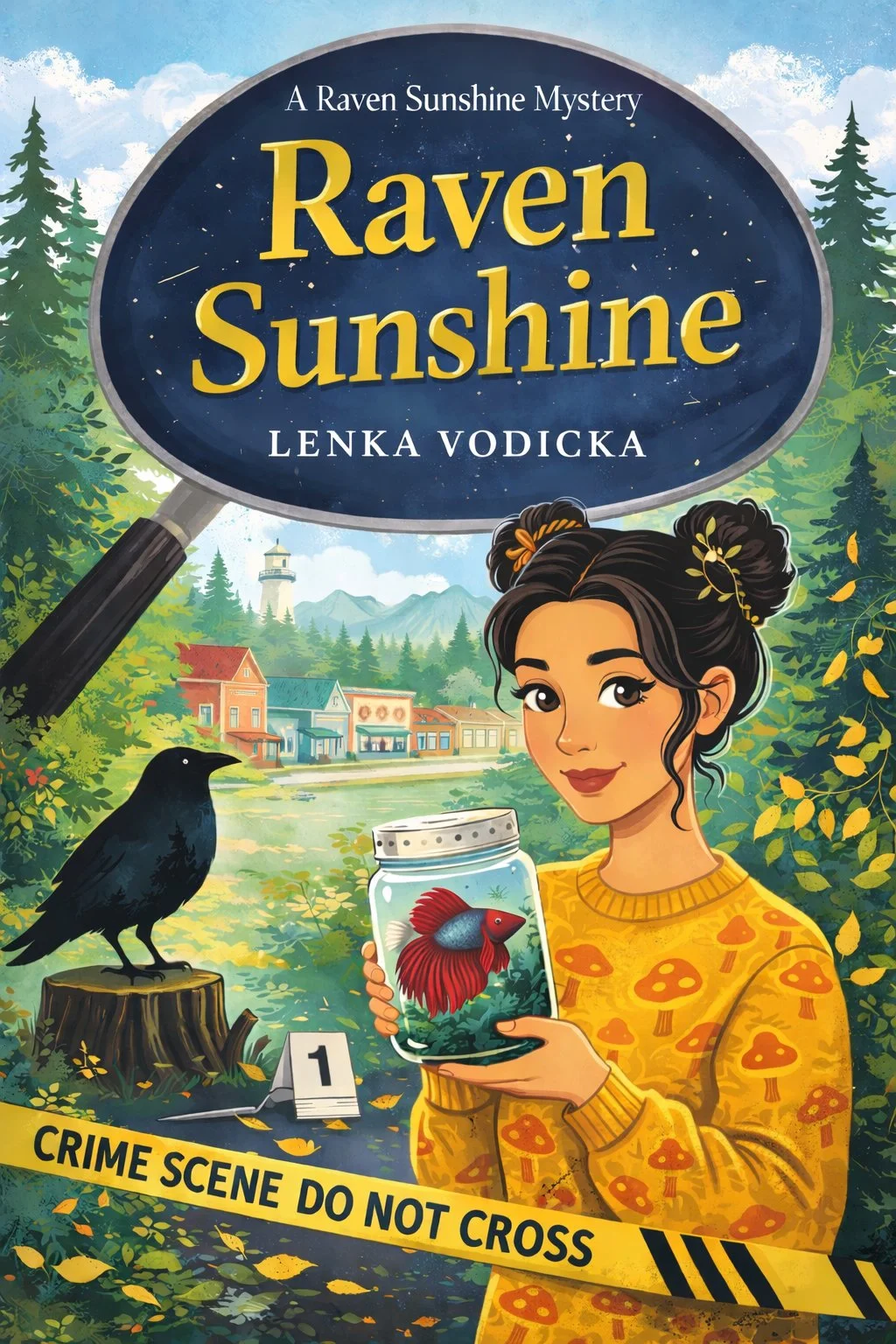
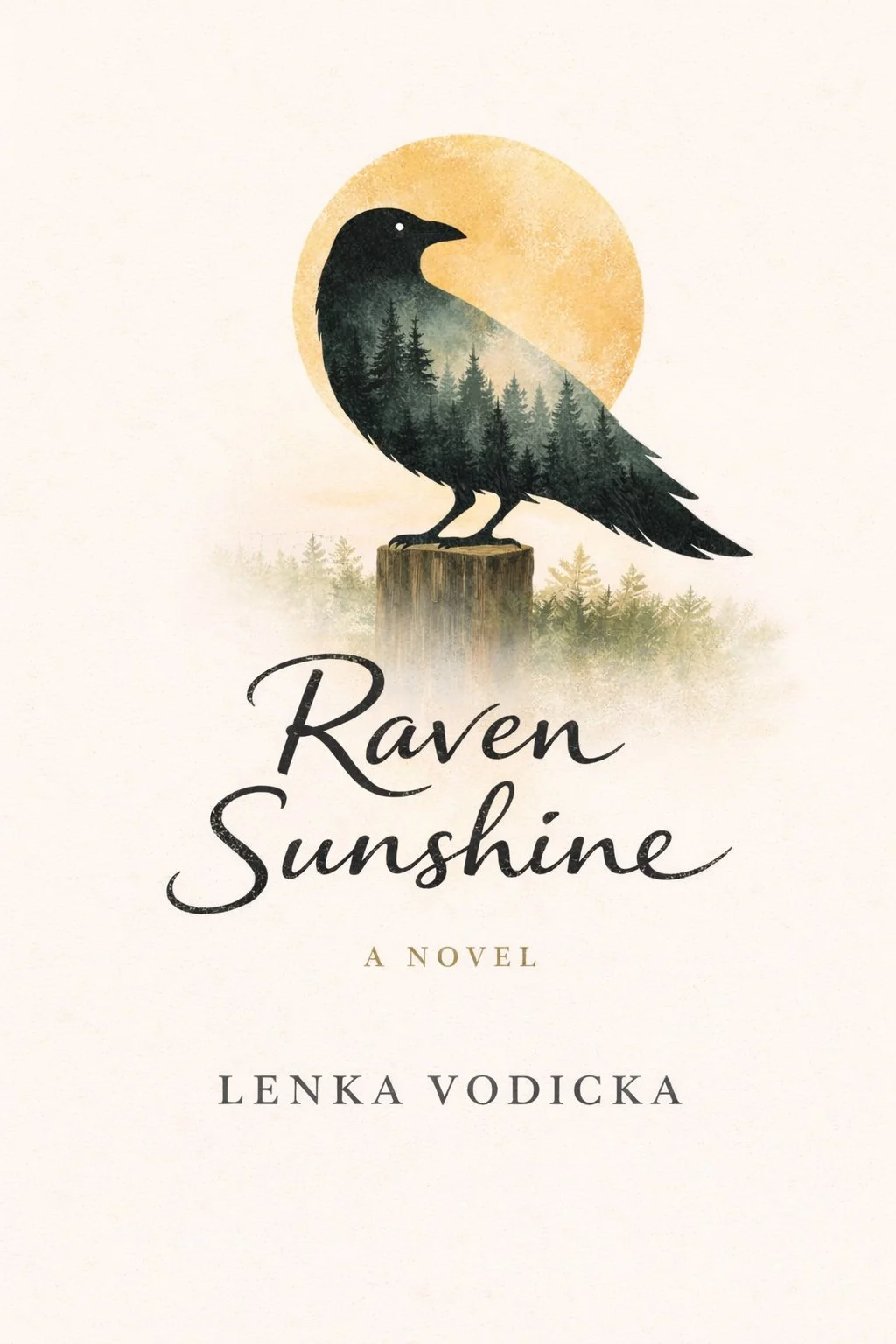
Do you like one cover better than the other? Which one? And do you like genre with depth, or literary with humor? Or can I bridge between both?
No, I don’t overthink at all :)